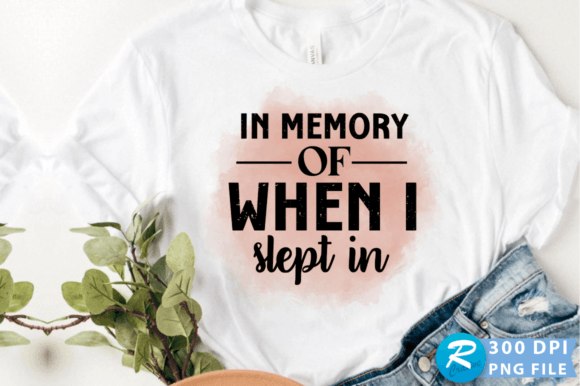
In Memory of When I Slept in PNG Design
As an experienced embroidery designer and product reviewer, I often find myself evaluating digital designs not just for their visual appeal, but for how they translate into real-world projects. The In Memory of when I Slept in PNG Design is one such file that caught my attention for its emotional resonance and design clarity. Let me walk you through what this design brings to the table — from first impressions to final stitched results — and where it truly shines or needs a little more care.
A Nostalgic Feel with Clear Intent
The In Memory of when I Slept in PNG Design immediately gives off a soft, reflective mood. It’s the kind of design that whispers rather than shouts — perfect for sentimental pieces like baby clothes, personalized gifts, or custom apparel that carries meaning beyond aesthetics. The layout is simple yet intentional, using negative space effectively to let the text breathe while maintaining a sense of intimacy. Its transparent background makes it adaptable for layering or placement on various fabric types, which is a big plus for any craft business owner or Etsy seller looking to offer multiple customization options.
From a design standpoint, the level of detail is modest but meaningful. There are no intricate flourishes or tiny lettering that could easily be lost during stitching, which is reassuring for someone planning a high-quality handmade product. The font choice feels handwritten, giving it a warm and authentic touch — something I’d expect to see on a sweatshirt embroidery or a pillow cover for a nursery or bedroom setting.
Where This Design Naturally Fits
- Baby items — Think onesies, sleepers, or even a custom blanket with a heartfelt message.
- Personalized gifts — A tote bag or apron with a gentle reminder of cozy nights or sweet dreams.
- Nursery decor — This design could look beautiful as a wall hanging or embroidered patch on a diaper bag.
- Holiday gifts — Especially for winter or Christmas-themed items, like holiday sweaters or festive towels.
Performance in Real Embroidery Projects
I recently tested this design on a custom sweatshirt for a client who wanted something personal for her child's first birthday. The design was placed near the hem, where it wouldn’t interfere with the fit or movement. On medium-weight cotton fleece, it stitched cleanly with minimal distortion, especially since the font isn’t overly decorative or thin. The transparency helped it blend seamlessly with the garment’s existing color and texture, allowing the natural fabric to shine through in subtle ways.
What stood out was how well the design worked with different thread colors. In pastel shades, it felt gentle and dreamy; in bold monochrome, it became a strong statement piece. That versatility is great for Etsy sellers or handmade shop owners who want to offer multiple variations without compromising quality. It also performed admirably on a tote bag design, where stitch density wasn’t too heavy and didn’t pull the fabric out of shape.
This design seems best suited for digital embroidery files used in home-based embroidery machines, particularly if the user has some experience with managing stitch density and hoop size. While it doesn’t demand advanced techniques, it does require thoughtful application to preserve its delicate aesthetic. As a graphics-based embroidery file, it’s ideal for creating printable mockups or design assets for online listings.
Projects Where It Excels
- Custom Apparel — Sweatshirts, t-shirts, and hoodies benefit from the clean lines and low-profile nature of this design.
- Soft Goods — Tote bags, pillow covers, and aprons are excellent candidates for this nostalgic graphic.
- Gifts with Meaning — Whether it’s a holiday gift or a wedding gift, this design adds a personal touch that customers will appreciate.
- Commercial Embroidery — With the right setup, it can be used across small-batch runs for boutique branding or small shop product lines.
Cautions and Considerations
While the In Memory of when I Slept in PNG Design is lovely and functional, there are certain scenarios where extra attention is needed. For instance, when working with textured fabrics, such as canvas or linen blends, the design may appear less crisp due to the fabric’s uneven surface. Similarly, if you're using it on thin fabric, you’ll need to ensure you have the right stabilizer to prevent puckering or distortion.
Another thing to note: the design includes a fair amount of fine line work. If you’re considering it for embroidered patches or items that will go through frequent washing, such as baby clothes or kitchen towels, make sure the stitch count is optimized for durability. You might also want to avoid using it on stretchy fabrics, where the tension could affect the alignment of the letters.
When placing the design on curved surfaces — like a cap or hat — you’ll need to adjust the hoop positioning carefully to maintain clarity. Because it’s a flat design, it won’t adapt well to tight curves unless you manually compensate in your software. Also, keep in mind that different computer monitors display color differently, so always double-check the thread colors against your actual fabric before locking in the project.
Design Limitations to Be Aware Of
- Not recommended for tiny hoop sizes — the design’s proportions might get compromised.
- May lose definition on dark fabric backgrounds unless paired with high-contrast threads.
- Not suitable for decorative accents that require metallic or specialty threads without adjustments.
Visual Appeal and Brand Value
One of the most appealing aspects of this design is how it enhances the visual personality of a product. It’s understated enough to complement other elements but still carries enough weight to stand alone. For craft businesses and creative entrepreneurs, this balance is crucial. It allows for consistency in branding while offering a personal feel that customers respond to.
On a finished product, whether it’s a sweatshirt embroidery or a nursery decor item, the design contributes to the overall product value. It looks professional, which helps build customer trust, and its simplicity ensures it remains legible and recognizable after repeated use or laundering. This is particularly important for commercial embroidery where durability and brand recognition matter.
As an Embroidery project asset, it supports a wide range of applications, from handmade products to digital product previews. However, because it’s provided only as a PNG file at 300dpi with transparency, users will need to convert it into a usable embroidery format (like DST or PES) themselves. Make sure you have reliable software for tracing or converting vector-based PNGs into proper stitch paths.
Impact on Customer Engagement
- Handmade presentation is elevated by the clean, thoughtful composition of the design.
- It boosts giftability by adding a meaningful message that resonates emotionally with buyers.
- Its professional appearance improves brand consistency for recurring product lines.
- Customers tend to engage more with personalized products that carry a narrative — this design offers just that.
Practical Designer Notes
If you’re thinking about using In Memory of when I Slept in PNG Design in your next project, here are a few things I’ve learned from testing it:
- Test on scrap fabric first — Especially if you’re using it for a commercial run. Fabric texture and machine settings can vary significantly between samples.
- Review stitch density — Since it lacks intricate details, the spacing and coverage of stitches will define how it appears post-stitching.
- Confirm hoop size — Even though the exact dimensions aren't listed, resizing improperly could distort the design’s integrity.
- Inspect small details — Ensure all characters are properly connected and that the edges don’t break up during conversion.
- Test black and white mockups — This helps evaluate contrast and visibility on both light and dark fabrics.
- Use proper stabilizer — Especially for stretchy or delicate materials to prevent shifting during stitching.
- Check licensing terms — Before selling finished items or using it in digital product previews, confirm the file is appropriate for commercial use.
Also, remember that this is a graphics-based design, not a native embroidery file. Depending on how it was converted, you might need to tweak the stitch type — maybe switching some areas to running stitch instead of fill stitch for lighter coverage. If you plan to use it as an applique design, consider outlining the text with a satin stitch to add dimension and depth.
Final Thoughts for Makers and Sellers
The In Memory of when I Slept in PNG Design is a versatile and thoughtful addition to your crafts and graphics library. It fits naturally into handmade products that lean toward the sentimental, and it works well for custom apparel and personalized gifts where readability and emotional impact are key.
However, as with any machine embroidery design, success depends on careful preparation and testing. Use it thoughtfully, and it will enhance your embroidery project and contribute positively to your craft business offerings. Just be mindful of the limitations and take time to optimize it for your specific materials and machines.
Whether you’re a hobbyist looking to create a memorable holiday gift or a seasoned apparel decorator building a new line of small shop product items, this design has potential — as long as you treat it with the respect it deserves.