Gym Hair Dont Care: A Bold Embroidery Design for Real Projects
As an experienced embroidery designer and product reviewer, I always approach a new design with a critical eye—especially when it’s intended for real-world applications like custom apparel or handmade gifts. Gym Hair Dont Care caught my attention not just because of its catchy name, but for the visual impact it promises. In this review, I’ll walk you through how this design holds up in practical use, where it shines, and where it might need some extra care.
First Impressions and Visual Personality
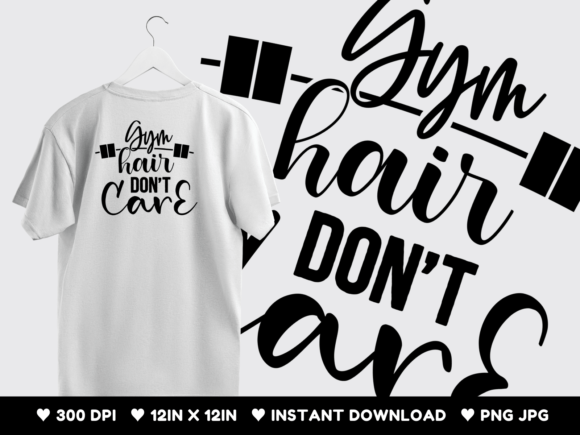
The moment I opened the digital files for Gym Hair Dont Care, I noticed a few key elements that immediately spoke to me as a designer. The layout is clean and bold, with a central quote that commands attention. The font choices are modern yet readable, and the overall theme radiates confidence and a laid-back attitude—perfect for anyone looking to add a touch of personality to their embroidered products.
With high-resolution 300 DPI PNG, JPG, and SVG files included, the design offers flexibility for both digital previews and print-ready use. The transparent background is a nice touch, especially if you're working on tote bags or other items where the fabric underneath needs to show through slightly.
Visually, this design feels like it belongs on a sweatshirt or tote bag. It has a graphic quality that makes it ideal for statement pieces. However, I’d be cautious about using it on smaller items like patches or baby clothes unless you’re willing to scale it down carefully.
Real-Life Use Cases for Gym Hair Dont Care
I recently tested this design on a custom sweatshirt order for a boutique client who wanted something fun and motivational. The results were impressive. The text stitched cleanly, and the spacing between letters gave it room to breathe without feeling too loose. The design didn’t overwhelm the garment, but still made a strong impression—just what we needed for a small shop's seasonal collection.
- Tote Bag Design: This one looks fantastic on cotton or canvas totes. The resolution and file format make it easy to preview and apply, and the message fits well with fitness-themed or casual lifestyle products.
- Sweatshirt Embroidery: The boldness of the design works well on thicker fabrics. I recommend using a light stabilizer and checking stitch density to avoid puckering, especially if your machine isn't set up for heavy coverage.
- Custom Apparel: Whether it’s unisex tees or gym wear, the design brings a unique edge. The transparency in the background allows the fabric color to influence the final look, which can be great for creating subtle variations in your product line.
- Holiday Gifts & Personalized Products: While the design itself is more of a lifestyle or fitness statement, it could work well as part of a larger design or paired with another motif for holiday gifts or personalized items.
- Commercial Embroidery: As someone who handles bulk orders, I appreciate how easily this design can be integrated into production workflows. Just ensure thread colors match your brand palette and test the design before going full-scale.
Where to Use Gym Hair Dont Care with Caution
While this design is versatile, there are certain scenarios where I’d suggest careful consideration:
- Small Hoop Sizes: The detail level may require a larger hoop area than expected. Always confirm the recommended hoop size for the design (if available), and adjust accordingly.
- Textured Fabrics: If you're working with denim, flannel, or any material with a rough texture, the stitching clarity may vary. Do a test run to see how the design interacts with the fabric surface.
- Thin or Stretchy Fabrics: Avoid using this design on delicate materials like silk or spandex blends unless you have experience managing tension and stabilizers on such surfaces.
- Dark Fabric Backgrounds: Thread contrast is important here. Light thread colors will pop better, while dark threads may get lost. Consider doing a black-and-white mockup to evaluate visibility.
- Curved Surfaces: On caps or curved areas, the layout may distort. Make sure to use proper tools and techniques for curving designs around headwear or shaped garments.
- Frequent-Wear Items: Dense stitch areas can lead to faster wear over time. For items like aprons or towels used daily, balance style with durability by adjusting stitch types or using lighter fill stitches.
Thread Colors and Stitching Techniques
The default thread color setup for Gym Hair Dont Care includes a good range of options, but I’d advise tailoring them to your specific project. Satin stitch works well for the main text, giving it a smooth, polished finish, while running stitch or sparse fill stitch could help reduce bulk on thinner materials.
If you're planning to create an embroidered patch, consider using a white or cream base to enhance readability against darker backdrops. For tote bags, a combination of satin and fill stitch adds dimension without overwhelming the design.
Remember to inspect the corners and tiny lettering closely. These areas can sometimes lose definition during stitching, especially if the fabric stretches or the machine struggles with precision. Testing on scrap fabric first is always a smart move.
Design Impact on Product Value and Customer Perception
One of the strengths of Gym Hair Dont Care is its ability to elevate the visual appeal of a handmade product. When stitched properly, it adds a layer of professionalism and uniqueness that customers notice. Whether you're an Etsy seller or a small shop owner, this design can help differentiate your offerings from mass-produced alternatives.
From a branding perspective, the consistent typography and clear message support brand recognition. If you're using it for a craft business or boutique collection, it helps build a cohesive identity across multiple products.
Customer trust is also influenced by how the design performs. Clean lines, even stitch coverage, and accurate alignment all contribute to a polished finished product. That’s why it’s essential to review stitch density and adjust as needed for each fabric type.
Practical Designer Notes and Recommendations
Here are a few things I’ve learned from years of working with embroidery graphics that could help you get the most out of Gym Hair Dont Care:
- Test First: Always try the design on a scrap piece of your target fabric. This lets you catch issues with stitch flow, tension, or distortion early.
- Check Thread Contrast: Especially on dark backgrounds. If the design uses similar tones, it might read poorly after stitching. Adjust the colors in your software if needed.
- Review Stitch Density: High-density areas can cause puckering or stretching. Lower the density slightly for stretchier or finer fabrics to maintain shape and comfort.
- Confirm Hoop Size: If the provided documentation doesn’t specify the minimum hoop size, do your own tests. Some machines handle large designs better than others.
- Inspect Small Details: Tiny fonts or intricate parts might not hold up under different conditions. Make sure they’re legible and structurally sound post-embroidery.
- Use Proper Stabilizer: Depending on the fabric, a tear-away or cut-away stabilizer could be necessary. Don’t skip this step—it can save you hours of rework.
- Test Black-and-White Mockups: Before finalizing thread colors, check how the design reads in grayscale. This simulates how it might appear in photos or under different lighting.
- Compare Fabric Types: See how the design looks on light and dark fabrics. You might want to offer it in multiple versions to suit customer preferences.
- Check Licensing: If you plan to sell finished items or digital embroidery files, confirm whether the design allows commercial use. This is crucial for Etsy sellers and digital product creators.
Final Thoughts on Gym Hair Dont Care
Gym Hair Dont Care is a standout in the realm of T-Shirt Designs and Graphics, particularly for those aiming to create bold, expressive projects. Its clean structure and strong visual presence make it suitable for a wide range of items—from sweatshirts and tote bags to promotional merchandise and handmade gifts.
However, like any design, it requires thoughtful application. Pay attention to fabric choice, thread contrast, and stitch density to ensure it performs at its best. With the right preparation, this design can become a reliable asset in your creative toolkit.
If you're considering adding it to your next project, take the time to test it thoroughly. Your customers—and your machine—will thank you. And remember, the goal is to create a finished product that not only looks great but stands up to the realities of everyday use.