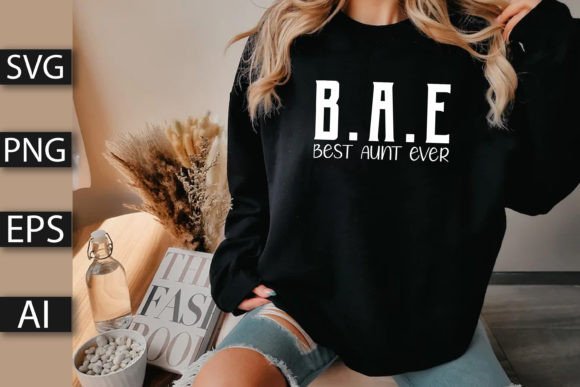
B.a.E Best Aunt Ever Embroidery Design Review
Visual Personality and Project Fit
- Custom sweatshirts and hoodies for family events or holiday gifts
- Tote bag designs that double as promotional or personal-use items
- Baby clothes or nursery decor where gentle, uplifting messages are key
- Embroidered patches for denim jackets or bags
- Kitchen towels or aprons with a touch of humor and love
Real-Life Embroidery Performance
After testing B.a.E Best Aunt Ever on a few mockups, including a tote bag and a sweatshirt, I found that it holds up quite well across different fabric types and garment styles. The calligraphy flows smoothly and retains its elegance even after stitching, especially when using quality satin stitch and fill techniques.
The design uses a moderate amount of running stitch for outlines, which helps keep the look clean while reducing tension issues. However, I noticed that some of the thinner lines and tiny flourishes require careful attention during the embroidery process. These details might get lost if you're not using the right stabilizer or if the fabric texture is too coarse.
Where to Use with Care
- Small hoop sizes: The design includes some fine lettering and decorative elements that may be difficult to maintain clarity in tight spaces.
- Textured fabrics: Fabrics like canvas or flannel can make the finer details less defined unless properly stabilized.
- Stretchy or thin materials: Delicate or stretchy fabrics might cause distortion in the lettering, especially in curved areas.
- Dense stitch areas: If your machine isn’t set up for smooth transitions between dense and open areas, you may encounter puckering or skipped stitches.
- Curved surfaces (like caps): You'll need to adjust the design or use proper software tools to ensure it wraps around the curve without losing legibility.
Thread Color Contrast and Fabric Considerations
One thing I appreciate about B.a.E Best Aunt Ever is that it allows for flexibility in thread color choices. While the original design likely uses light pastels or bright tones, I recommend experimenting with black and white mockups to assess how it looks on both light and dark fabric backgrounds. This is particularly important for crafters planning to sell finished products or digital embroidery files online.
If you’re working on a commercial embroidery project, consider the visual impact of the thread palette. Brighter colors might work better for retail display, while softer hues suit more intimate handmade products. Either way, ensuring good visibility and contrast is essential for customer satisfaction and brand consistency.
Design Impact on Product Value and Customer Engagement
Incorporating B.a.E Best Aunt Ever into a project can elevate the emotional value of the finished product. Whether it’s a personalized gift or a boutique branding item, this design adds a layer of warmth and connection that many customers respond to positively. As a hobbyist or creative entrepreneur, this kind of visual storytelling can significantly enhance buyer engagement and repeat sales.
For Etsy sellers and small business owners, the design contributes to a cohesive brand identity when used consistently across merchandise like embroidered patches, tea towels, or baby items. Its friendly and expressive nature also makes it stand out in printable mockups, helping buyers visualize the final product before purchasing digital embroidery assets.
Designer Notes for Real-World Application
- Test on scrap fabric first: Especially if you're new to the design or unfamiliar with the file format.
- Review stitch density: Make sure the design doesn't become too heavy in certain areas, causing puckering or distortion.
- Confirm hoop size requirements: Although exact dimensions aren't listed, larger hooping areas are generally safer for intricate lettering.
- Inspect small details: Tiny calligraphic flourishes can be tricky—ensure your machine settings allow for precision.
- Use proper stabilizer: Especially important for thin or stretchy fabrics where the design needs extra support.
- Check licensing before selling: If you're an Etsy seller or digital product creator, always confirm whether the design can be used commercially and under what terms.
Final Thoughts for Craft Business Owners and Makers
As a seasoned reviewer, I’d say it's worth every minute spent preparing for it. Just remember to adapt the design to your specific needs and always test it out before going full-scale. That’s the mark of a true professional—knowing when and how to use a design effectively.